
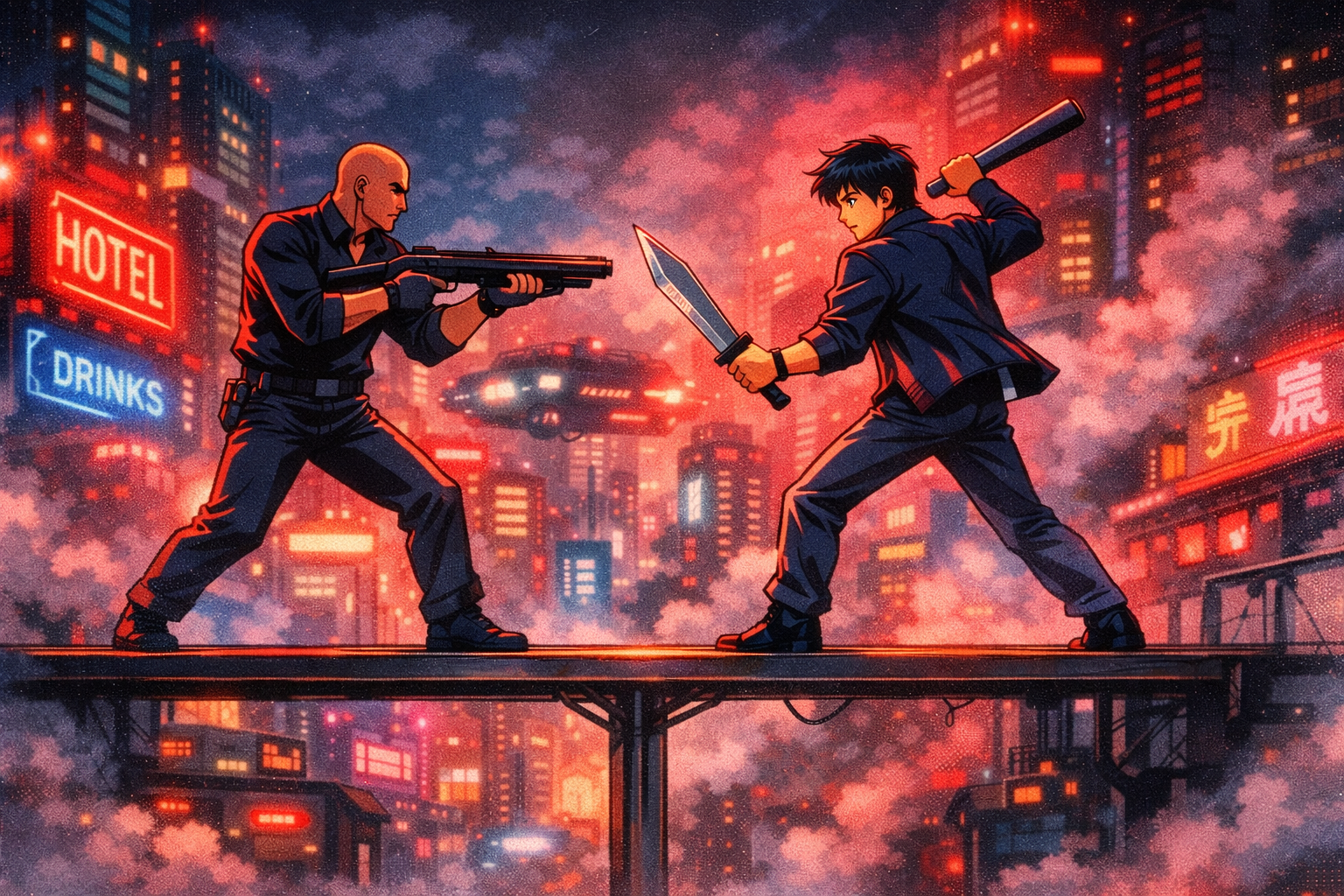
Guns did not emerge as an attempt to follow trends within science fiction, but as a deeply personal project, built from personal concerns, questions, and lived experiences. This article explores what makes Guns a distinctive read, focusing on its creative origins, its identity, and the way it combines an original universe with a human and reflective perspective. Understanding this approach allows the novel to be appreciated not only for its world and its action, but for the intention that sustains it: to tell an honest, thoughtful story rich with meaning. Throughout this journey, readers are invited to discover why Guns positions itself as a work that seeks to connect beyond genre boundaries.
“Guns does not seek to change the way stories are told, but to serve as the starting point of a personal journey that the author chooses to share with the world.”
Science fiction has historically occupied a fundamental place in literature as a space to think about the present through the future. Works such as Frankenstein not only inaugurated the genre, but also posed profound questions about human responsibility in the face of creation and knowledge. Later on, titles like 1984, Brave New World, and Animal Farm used fictional worlds to explore power, social control, and the loss of individuality. Authors such as Isaac Asimov, with sagas like Foundation or works such as I, Robot, pushed science fiction toward ethical reflection on technology, logic, and human behavior. Along the same lines, Dune expanded the genre into political, religious, and ecological dimensions, demonstrating that science fiction could be as complex and profound as any other form of literature. Even earlier, Jules Verne had paved the way with his fantastic voyages, using scientific imagination as an invitation to explore the unknown. Taken together, these works show that science fiction is not escapism, but a powerful tool for questioning who we are, where we are going, and what we are willing to sacrifice along the way.

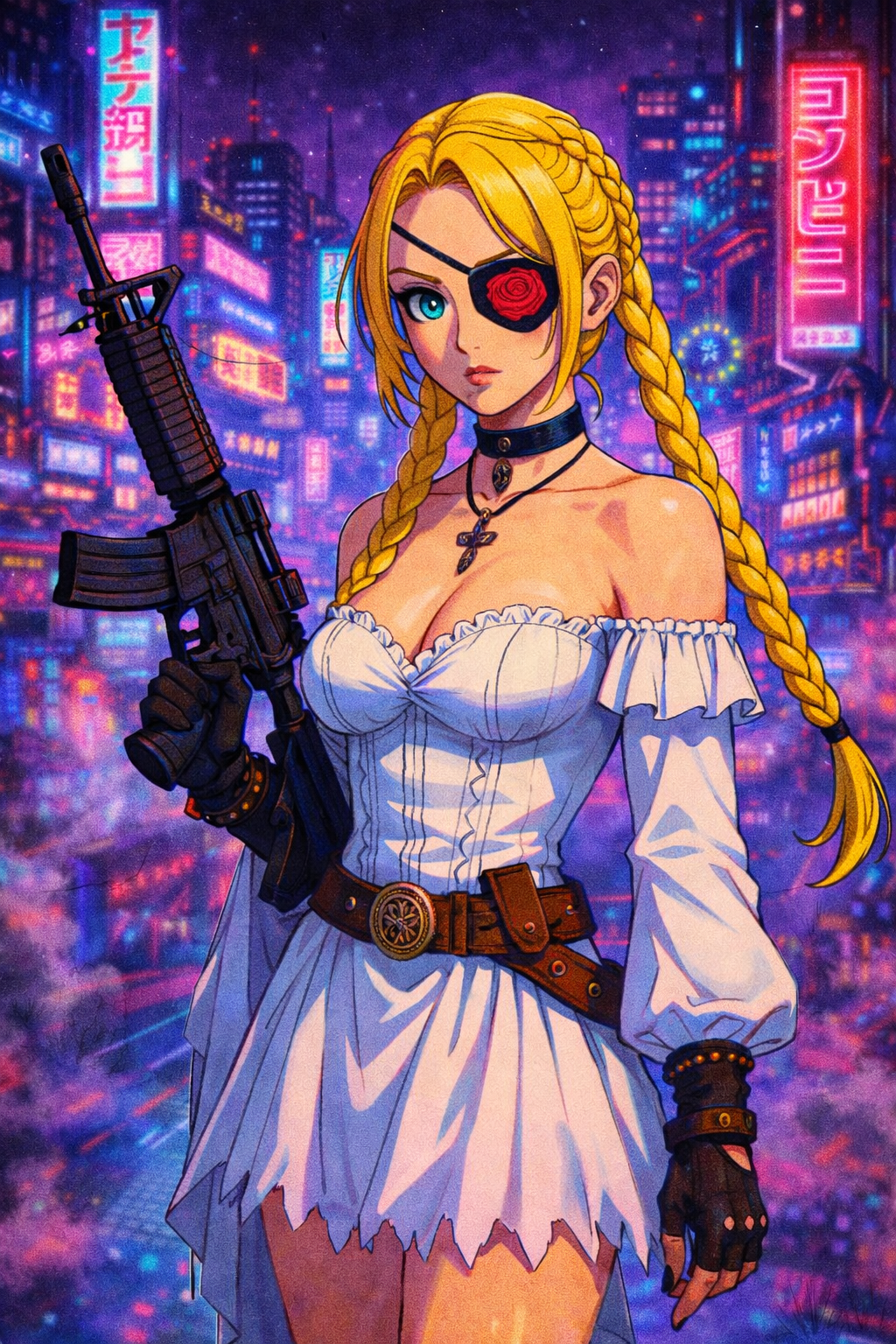
From this tradition, a legitimate question may arise: what can a new work of science fiction contribute to a genre with such an extensive legacy? Guns does not seek to compete with these references or replicate their structures, but rather to engage in dialogue with them from a different, more personal and contemporary place. While many classic works used science fiction to warn about possible futures or totalizing systems, Guns shifts the focus to the individual—to how these extreme worlds affect specific people and their relationships. This perspective does not invalidate the genre’s grand ideas; instead, it grounds them, moving reflection away from abstract structures and toward everyday decisions, vulnerability, and human contradiction. In this way, science fiction ceases to be merely a conceptual framework and becomes an intimate space in which readers can recognize themselves even in the most distant scenarios, preparing the ground for understanding why Guns belongs to the genre without losing its own distinct identity.
Final Reflections
Throughout history, science fiction has proven to be far more than an exercise in imagination: it is a tool for thinking about the world, questioning our certainties, and exploring the consequences of our decisions. From the great classics to contemporary works, the genre has served as a way to view the present from different angles. Guns belongs to that tradition—not to repeat formulas, but to offer its own perspective, centered on people, their contradictions, and the paths they choose to follow. Perhaps this is the true value of science fiction—and of literature in general: offering us spaces in which to reflect on who we are and where we are going. Reading, writing, and thinking through stories thus becomes an act of personal exploration, an invitation to pause and ask ourselves what decisions we are making and what worlds we are helping to build, even without realizing it.
Leave a Reply