Guns is a story driven by ideas that go beyond action and science fiction. At the heart of the novel lie themes such as power, identity, loyalty, and the decisions that shape people in extreme circumstances. This article explores how these elements sustain the narrative and give it depth, allowing readers to connect not only with the world presented, but also with the human conflicts that run through it. Understanding these themes helps us appreciate Guns as more than a story of confrontations, preparing us for a journey into the ideas that truly drive its characters and its universe.
“Having the power to do something does not mean we should do it; we are always free to choose, even when our environment pushes us.”
In Guns, power is not presented as a solution, but as a burden that amplifies the consequences of every decision. The characters possess the ability to change the course of events, yet they rarely have the absolute freedom to do so without affecting others. The environment—shaped by violence, hierarchy, and constant pressure—acts as a force that pushes, conditions, and limits the options available. This tension between possibility and responsibility is one of the central axes that sustain the story, showing that even when the capacity to choose exists, choice is never an isolated act. In Guns, every decision resonates beyond the individual, revealing how context can be just as decisive as personal will.
At times, we believe the path is clear: we know what we are seeking and what, in theory, we will achieve if we keep moving forward. Yet reaching the goal is not always possible—or simple. The journey is filled with obstacles, sometimes small stones, other times towering mountains. There are those who push us ahead, and others who, consciously or unconsciously, hold us back. Continuing to walk is what keeps us standing. But an inevitable question arises: what happens when the goal we reach is not what we expected, or when we achieve exactly what we wanted and still find it disappointing? And, by contrast, what happens when we stray from the path and encounter something unexpected—a surprise we never knew would leave its mark on us?
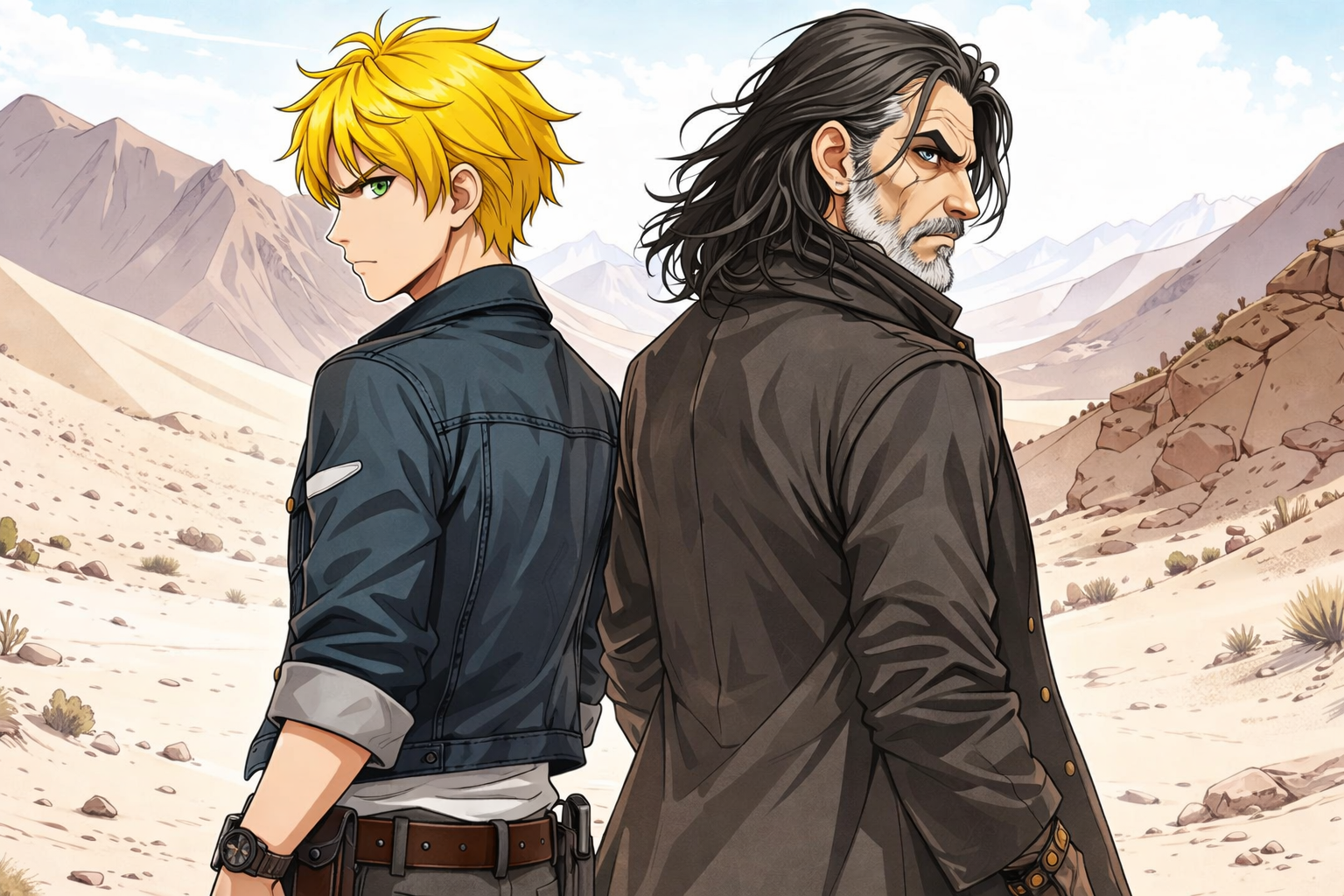
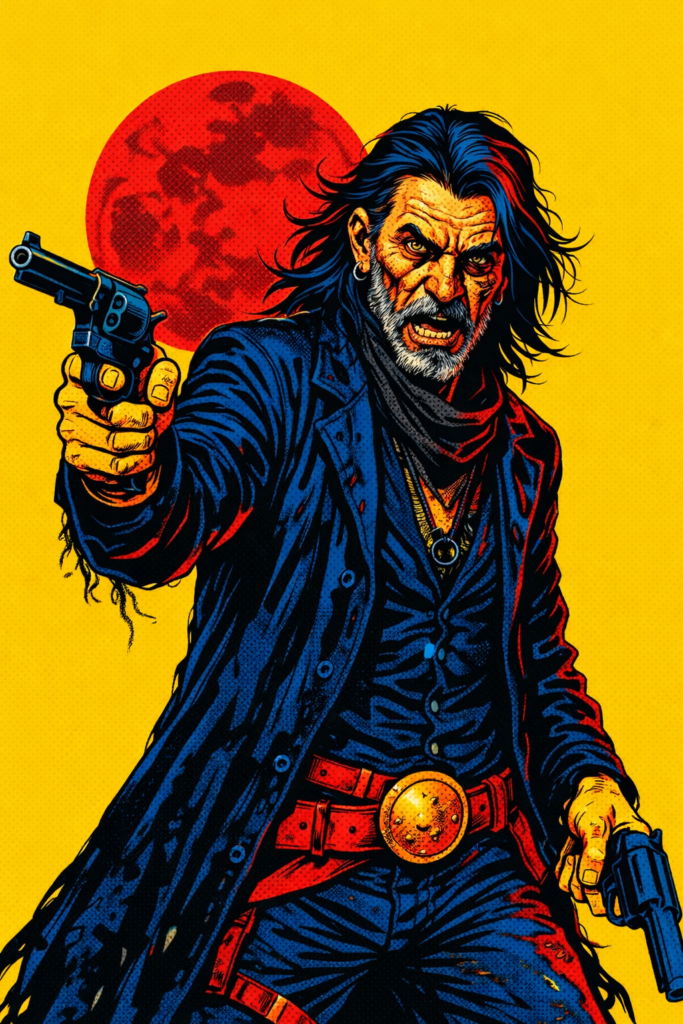
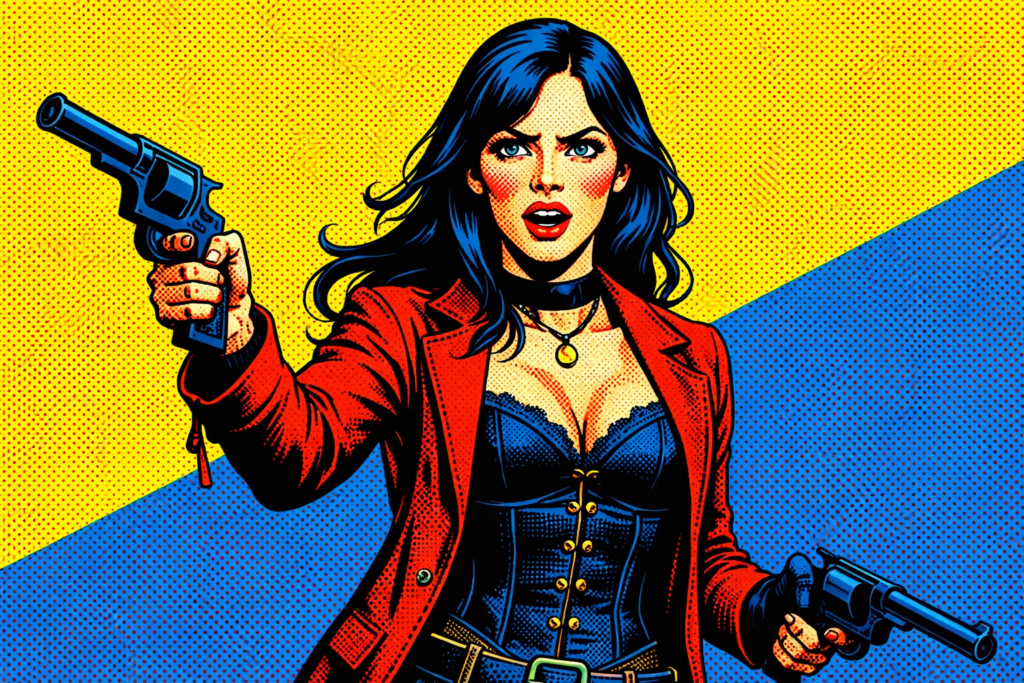
That same logic runs through the world of Guns. Each character is defined by the decisions they make, by the paths they choose to follow and those they stray from—sometimes by their own will, other times pushed by their environment. Their destinies are not the result of a perfect plan, but of choices made under pressure, fear, or necessity, and it is there that they ultimately become who they are. As I write, I recognize myself in that process. I did not know whether I would like this path; it began almost by chance, as a need to bring something out from within. I never planned to dedicate myself to this, and yet today I cannot stop thinking about this journey. I do not reject what I have lived or built—quite the opposite—but now I move forward along a different route, one I did not know existed. In Guns, each character represents a life, a unique journey, a world of possible choices. And, as in real life, not everyone arrives where they imagined they would at the beginning.
Closing Thoughts
There is no such thing as the right path, nor a definitive destination. The routes we follow offer no guarantees, and decisions only gain meaning while they are being lived. In the end, the only thing that is truly real is death—and even then, it has yet to find its name. But it never will if we do not live first, if we do not move forward, if we do not stumble, if we do not choose. For only by walking our own paths can we give some meaning to that which, inevitably, awaits us.
Leave a Reply