
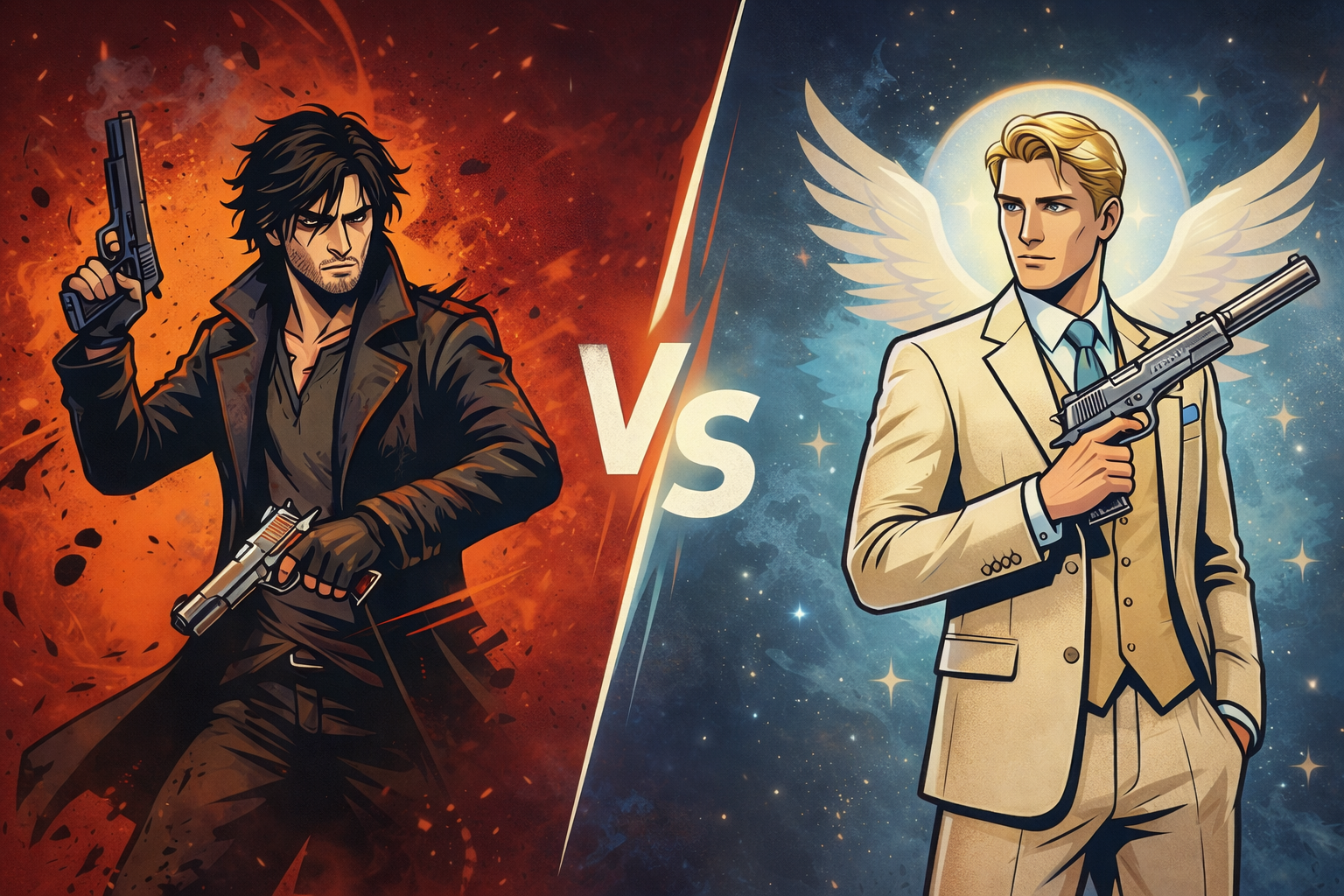
In universe of Gunsextraordinary abilities are not merely an advantage, but a curse that defines the fate of those who possess them. This science fiction and action universe is built upon assassins forged in a world devastated by war, where survival demands more than strength— universe of Guns requires difficult decisions, fragile loyalties, and a profound moral cost. Exploring the unique abilities of the assassins of Guns allows us to understand not only how they fight, but who they truly are and what drives them to keep moving forward in an environment where every confrontation may be the last. This journey opens the door to one of the novel’s central pillars: the delicate balance between power and survival.
The only thing that is real is death; everything else is just one of the many lies we tell ourselves.
In the novel, action coexists with a constant exploration of the characters’ psyche, built through a series of flashbacks that seek to strip them bare beyond their abilities. These fragments of the past do not merely explain who they are, but how they came to become what the world demands them to be. universe of Guns the universe of Guns is not our own, it functions as an exaggerated and distorted reflection of it—violent, hypocritical, and chaotic. The story pushes these elements to their limits, and it is precisely there that its characters become profoundly human, forced to make impossible choices. universe of Gunsin Guns, being extraordinarily skilled does not eliminate vulnerability; on the contrary, it intensifies it. These are broken characters, not necessarily by their own actions, but by a world that shattered them first—a world to which they can only respond as any of us would in different situations of everyday life.
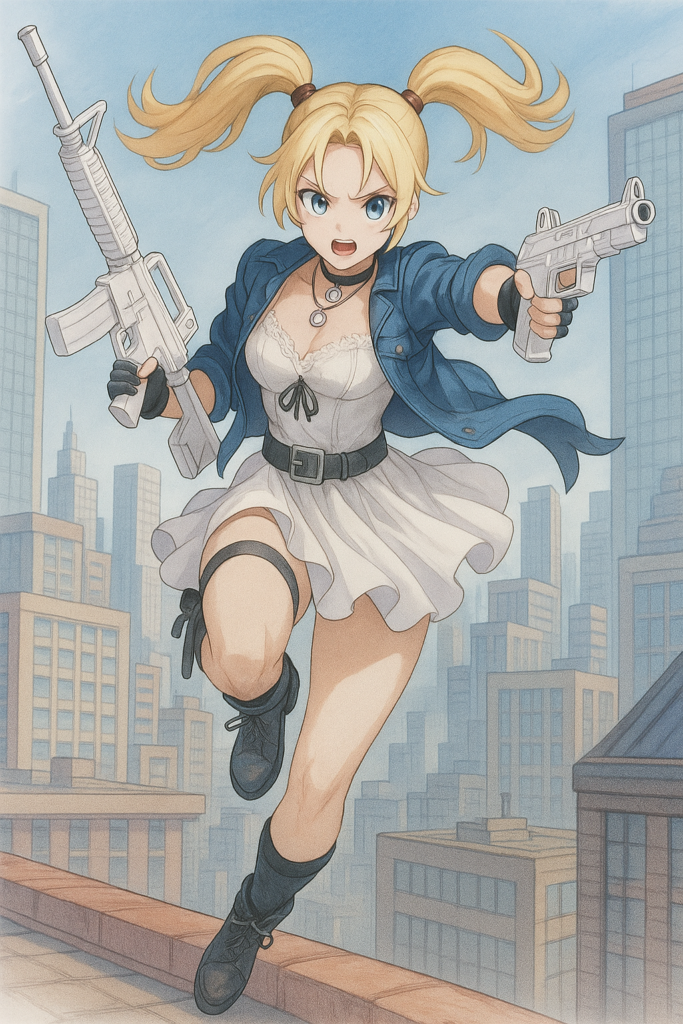
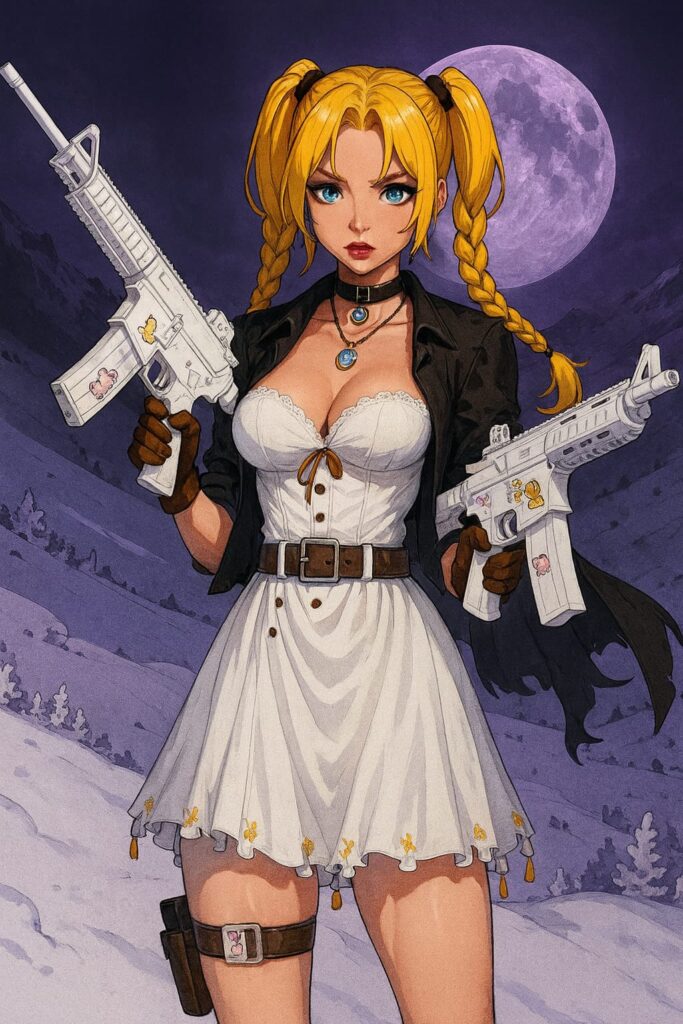
From this perspective, Guns can be read not only as a story about assassins and extraordinary abilities, but as a reflection on how people adapt—or break—when faced with systems that overwhelm them. Some readers may wonder whether this extreme world justifies the violence it portrays; however, the novel does not seek to glorify it, but rather to present it as an inevitable consequence of an environment that has normalized conflict. By focusing on the decisions and internal contradictions of its characters, Guns raises an uncomfortable question: to what extent are our own choices shaped by the world we inhabit? This perspective helps build a bridge between the fictional universe and the reader’s real-life experience, laying the groundwork for understanding why these stories, though exaggerated and brutal, feel unsettlingly close.
Conclusions and Final Reflections
In the end, Guns offers more than action and extraordinary abilities: it invites us to observe how a broken world shapes those who inhabit it, and how, even in the most extreme scenarios, decisions continue to define who we are. Through vulnerable characters, marked by their past and confronted with impossible choices, the novel reflects an uncomfortable yet familiar truth—no one emerges unscathed from violence; they merely learn to live with it. Perhaps this is where the true strength of Guns lies: in reminding us that even when power seems to dominate everything, what is truly human is revealed in how we respond to the world we are given. Exploring this universe is, ultimately, an invitation to question our own certainties and to look directly at what we would rather not see.
Leave a Reply