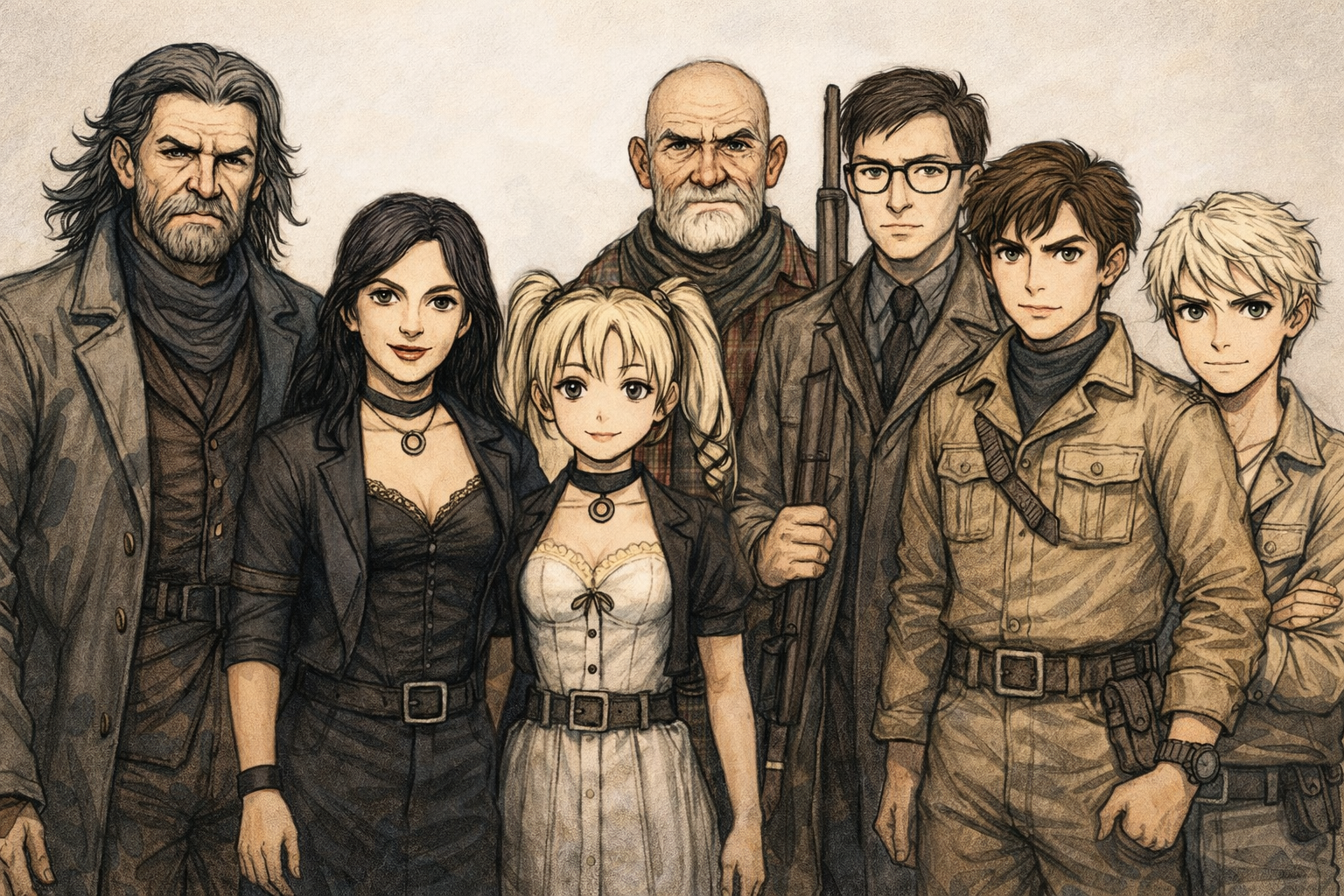
The characters of Guns are not defined solely by their extraordinary abilities, but by the scars, decisions, and contradictions that accompany them. Each represents a different way of confronting a world shaped by war, power, and violence—from the lethal coldness of La Sombra to the calculated perfection of Number One, or the psychological complexity of figures such as Rosa and Princesa. This article explores how these personalities, both protagonists and antagonists, form the heart of the story and give depth to the Guns universe. Understanding who they are and what drives them allows the novel to be appreciated not merely as a tale of action, but as a mosaic of human trajectories that collide, intersect, and are reshaped under the pressure of a world without concessions.
“Each character is a part of me; that’s why I don’t judge them—I unravel them.”
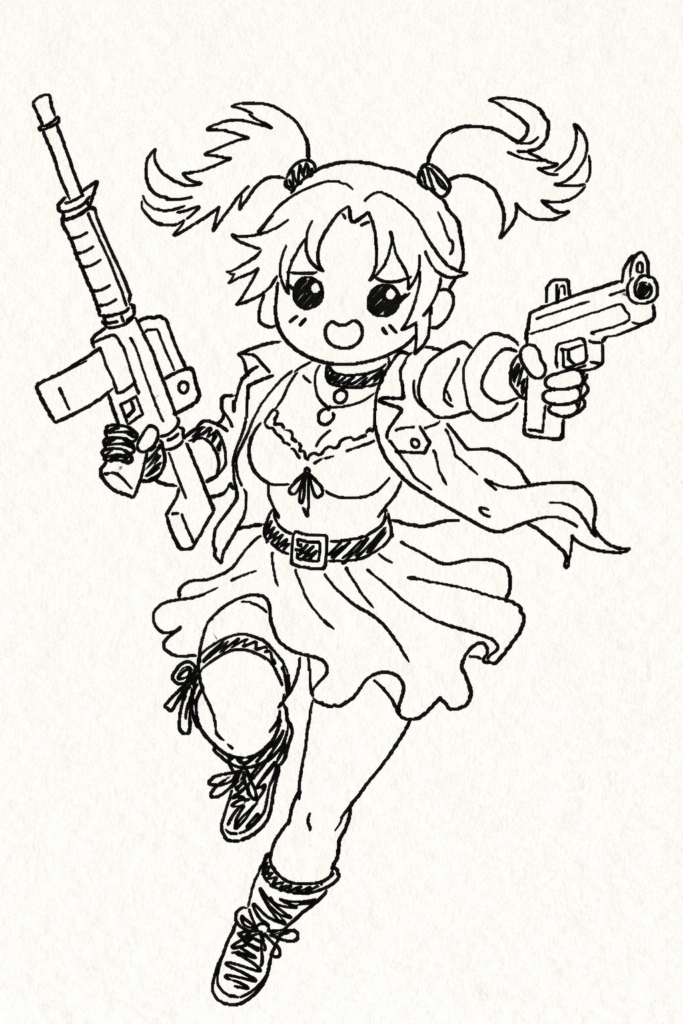
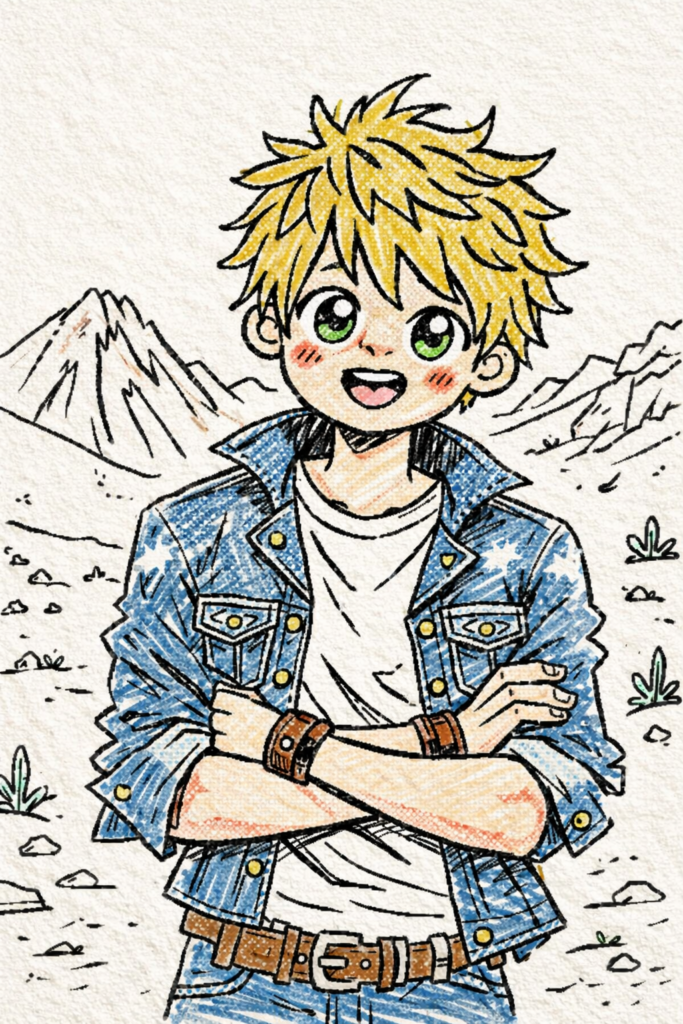
In Guns, each character embodies a different response to the same hostile world. Number One represents the ideal of perfection: absolute efficiency, control, and an apparent absence of doubt. We know little about him because perfection, more than an attainable reality, is an ideal to be pursued. La Sombra, by contrast, embodies the obsession with claiming first place—the need for validation taken to its extreme and transformed into identity. Franco represents absolute loyalty: friendship, trust, and commitment to those he considers his own. Rosa is the internal struggle—constant doubt, fear, and the questioning of how real what we believe ourselves to be truly is. Sam symbolizes experience and calm, what we aspire to become with the passage of time. Captain embodies the obsession with being recognized, with feeling useful and necessary within a system that rarely validates him. Kid incarnates arrogance and ego, the sense of being someone simply by existing, without yet having earned a place. Princesa, in turn, represents innocence, loyalty, and the process of personal growth.
None of them are fixed archetypes; they are trajectories in motion, shaped by past decisions and by relationships that constantly mold them. When observed closely, it becomes clear that their confrontations are not merely physical, but the result of personal histories colliding with one another—revealing that in Guns, each character is, at its core, a different path through the same chaos.
From this perspective, a natural question may arise: are these characters merely symbols, or people with lives of their own within the story? Guns moves precisely within that in-between space. Each character can be read as an idea—perfection, loyalty, ego, doubt—but also as an individual shaped by their history and by the relationships that surround them. This dual reading allows readers to approach them from different angles, without the need to reduce them to a single interpretation. In the end, understanding the characters of Guns does not mean classifying or judging them, but accepting their ambiguity and recognizing that, as in real life, a single person can embody profound contradictions. This tension is what drives the narrative toward its final stretch, where decisions and their consequences take on definitive weight.
Key Takeaways
In the end, the characters of Guns do not exist to be judged, but to be understood. Each represents a different way of confronting the same chaos—a possible response to a world that pushes, wounds, and demands impossible decisions. By unraveling them, the story invites us to look beyond visible actions and to recognize the complexity hidden behind every choice. Perhaps this is where the true value of these characters lies: in reminding us that people are never just one thing, but the result of paths taken, relationships built, and wounds that leave their mark. Guns invites us to pause and observe these trajectories closely, not to find definitive answers, but to accept that understanding others—and ourselves—is always an incomplete, yet necessary, process.
Leave a Reply