Building the world of Guns was far more than imagining futuristic settings or designing armed conflicts; it was an exercise in observation and reflection on history and its breaking points. I have always been a lover of world history, and one recurring question has followed me: what would have happened if a single act had been different? How much might the course of events have changed? The Guns universe unfolds in a reality different from our own, yet it is impossible not to find parallels with our lived experience. This article explores how these questions shaped a world marked by war, where small events trigger irreversible consequences, inviting readers to recognize—within the fiction—reflections of their own lives.
“It’s not your obligation to change the world, but sometimes there’s no one else to do it.”
In this context, the Guns universe also challenges the idea that everything happens by chance. It is not always so. At times, there are individuals—or forces—with the real power to bring about change: some acting consciously in pursuit of a specific outcome, others merely fulfilling a purpose they may never fully understand. This ambiguity runs through the world of the novel and inevitably seeps toward the reader: how do we know which side we are on? We like to think of ourselves as the protagonists of our own story, yet it is hard to ignore the possibility that there are “nameless” people—unseen, invisible—pushing us in directions we believe we have chosen of our own free will. The Guns universe exists precisely in that uncomfortable space where freedom, control, and manipulation blur together.
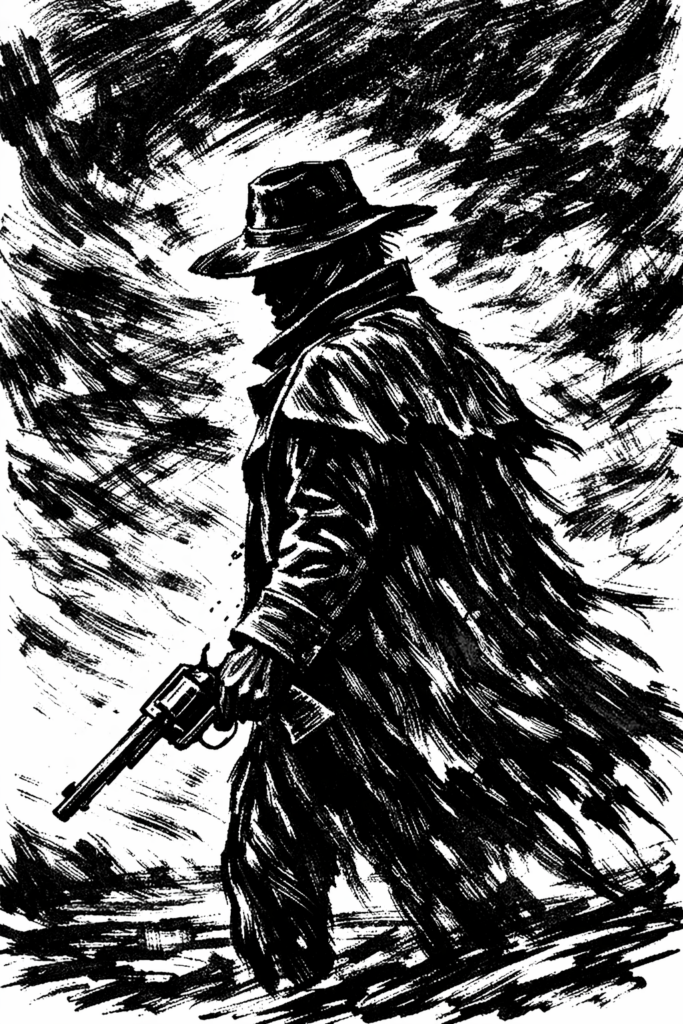
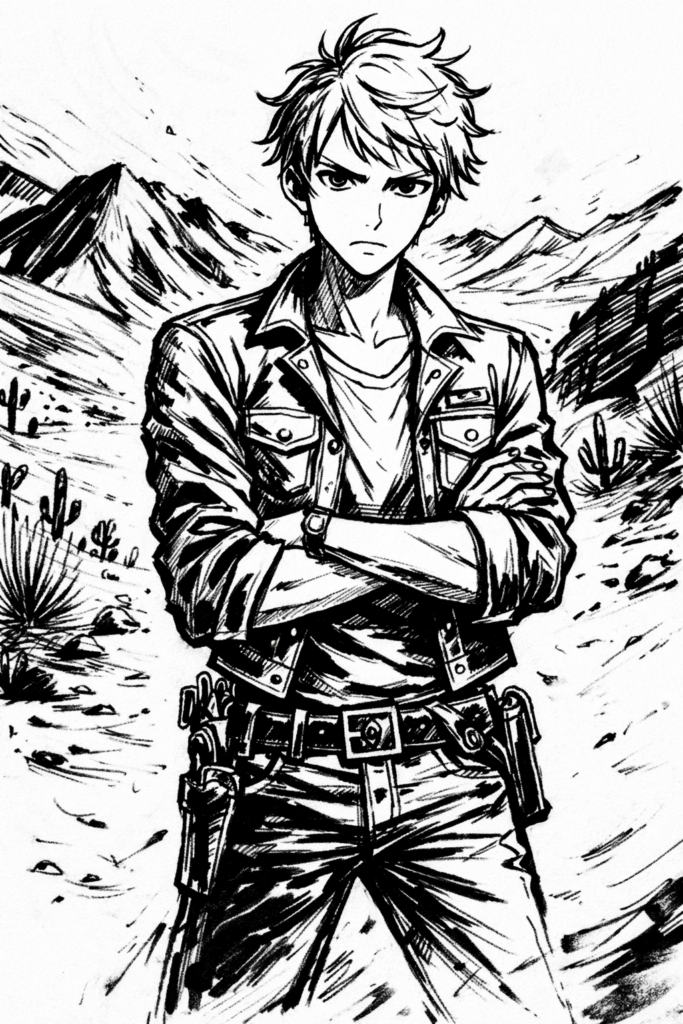
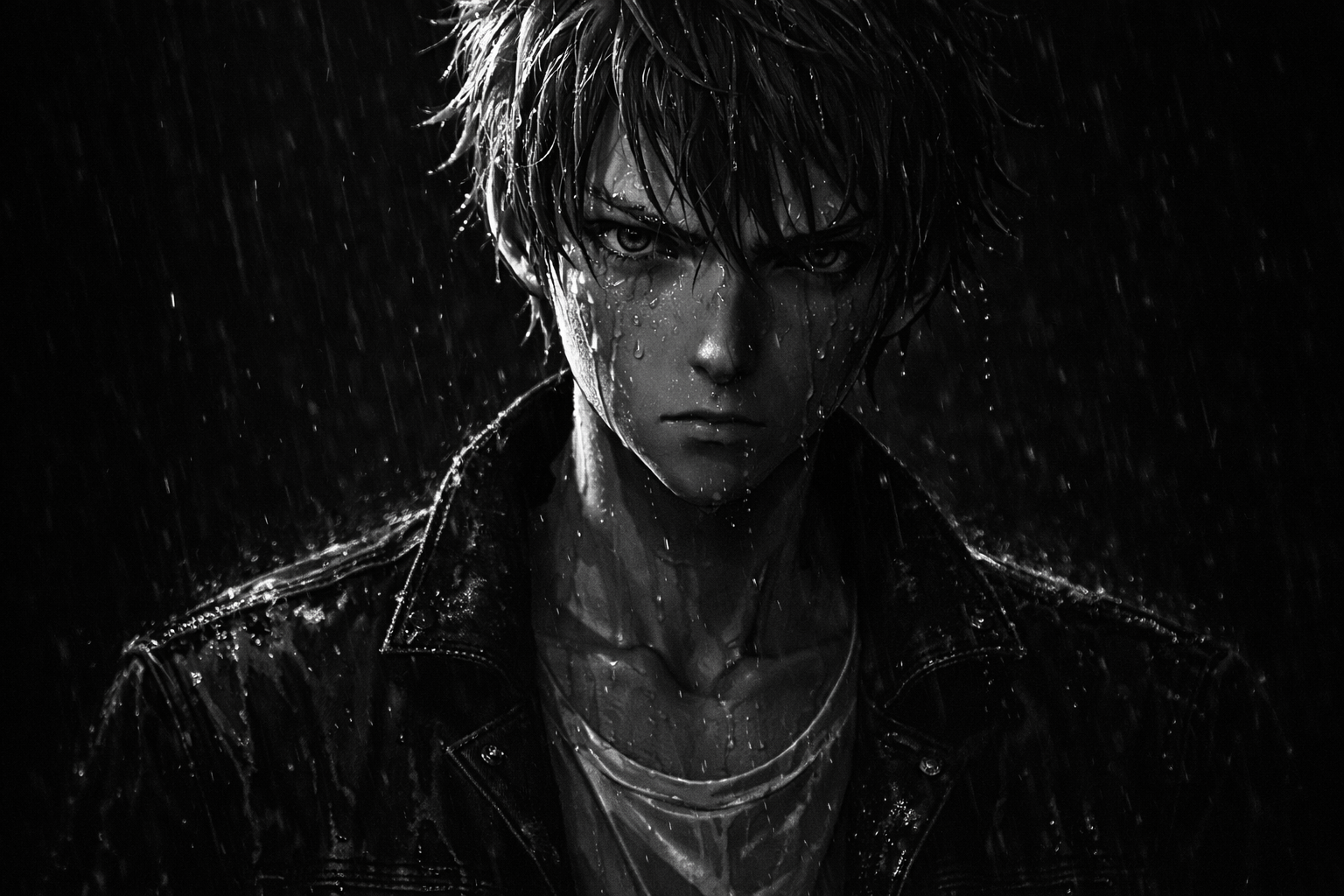
In this sense, the Guns universe does not seek to lecture anyone or impose a moral reading of what is right or wrong. In war, such categories become blurred, and the novel is built on the premise that good and evil rarely exist as absolutes. Even when we believe we can identify morally justified decisions, they remain subjective interpretations, shaped by the point of view from which they are observed. The Guns universe embraces this ambiguity and leaves room for each reader to construct their own reading of the world and its characters. I have my own interpretation, of course, but I have no interest in denying anyone the freedom to reach different conclusions; on the contrary, that silent dialogue between the story and the reader is an essential part of the journey.
Final Reflection
In the end, the world of Guns functions as a distorted mirror of our own, where history does not move forward by chance, but through decisions, omissions, and forces that often remain invisible. Through a universe shaped by war and characters compelled to react more than to choose, the novel invites readers to question how much control we believe we have over our own path—and how much of that course has been drawn by others. Guns offers no lessons or definitive answers; it poses questions. And perhaps that is where its true value lies: in opening a space for personal reflection, where each reader can confront their own certainties, accept ambiguity, and decide what meaning to draw from a world—fictional or real—that rarely presents itself in absolute terms.
Leave a Reply